

Sustainable Fashion in Jaipur: A Practical Guide to Rajasthan's Eco-Conscious Textile Traditions
Introduction:
Sustainability Isn’t New to Jaipur” It’s the City’s Original Design Language
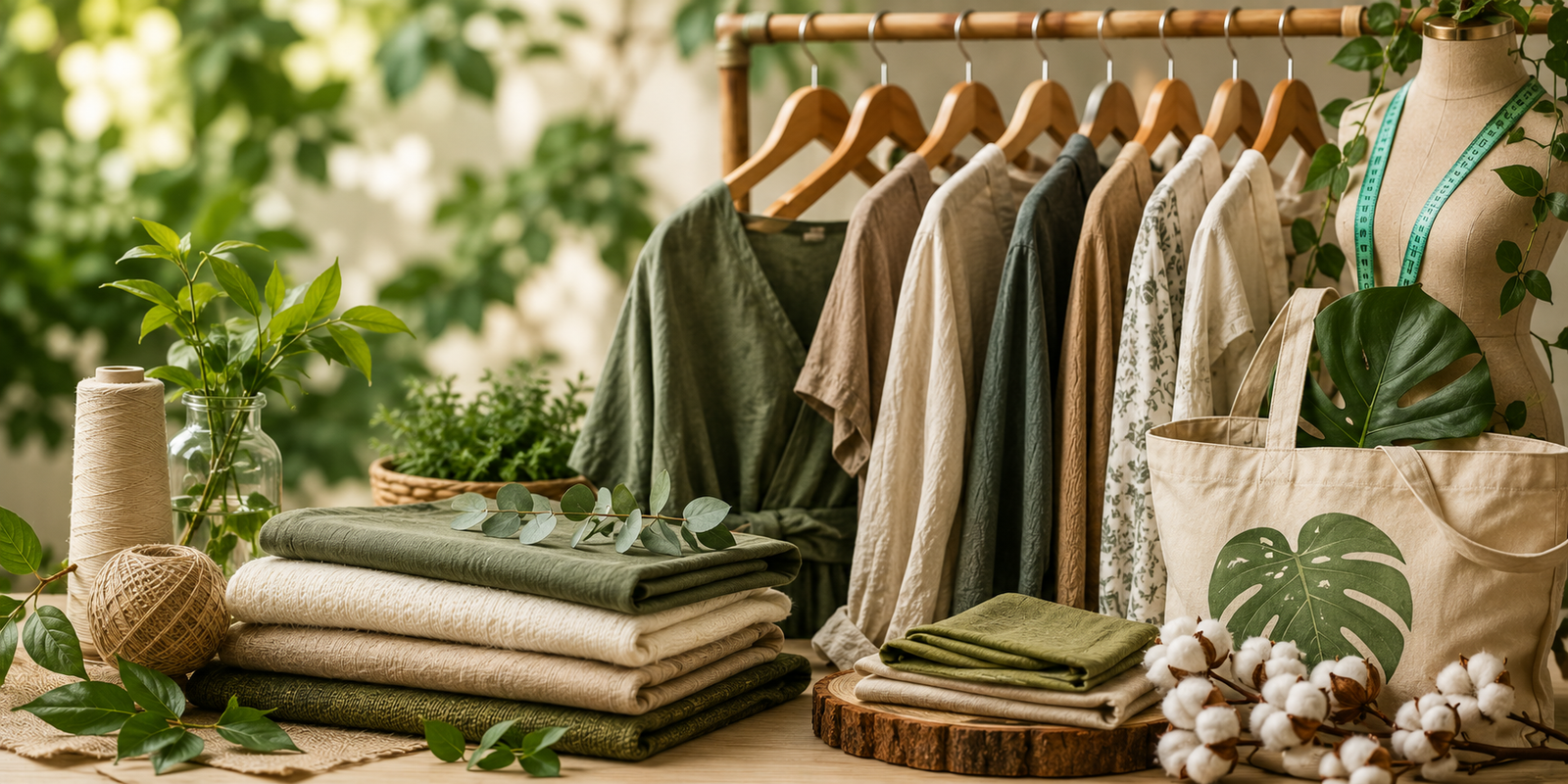
Talk to anyone in the global fashion industry today and you’ll hear “sustainable fashion jaipur” discussed like a recent innovation — new materials, new supply chain thinking, a new consumer demand. In Jaipur, much of that isn’t new at all. It’s several centuries old.
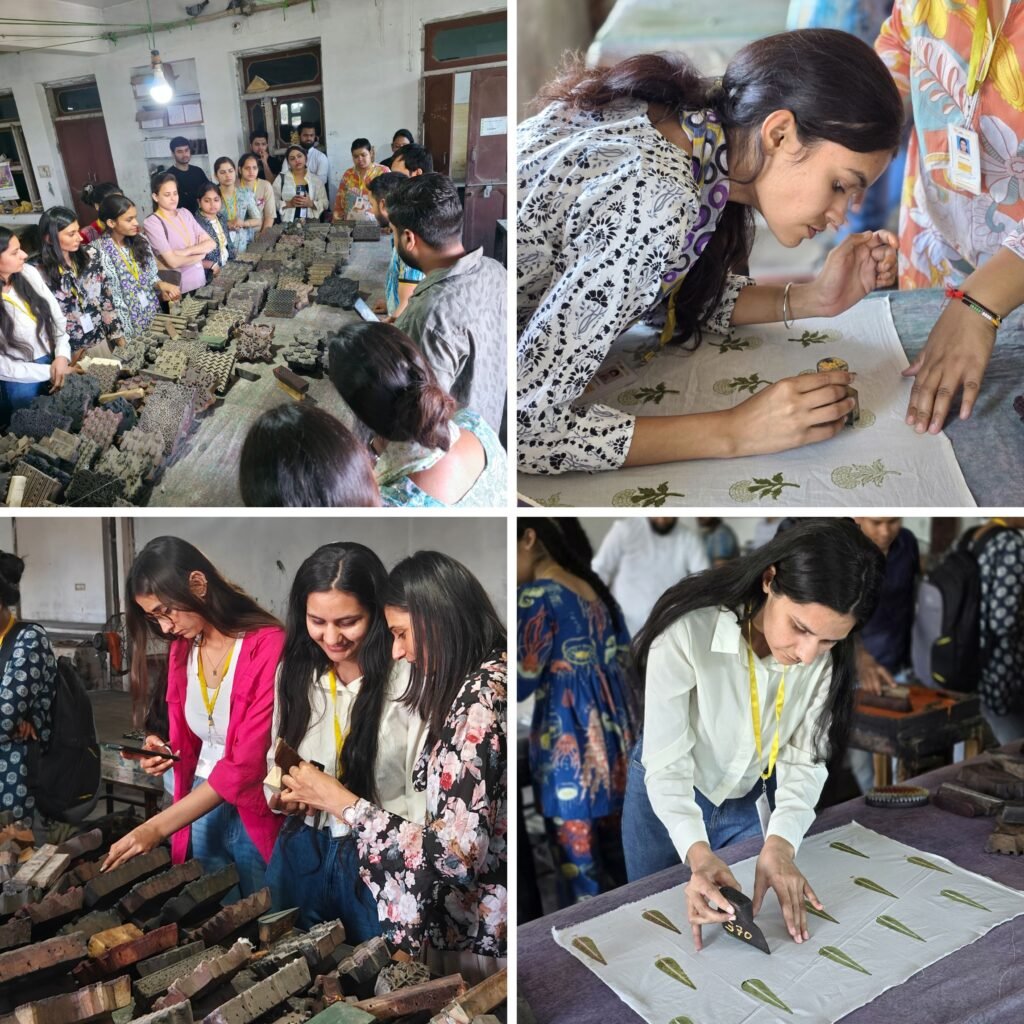
The towns of Sanganer and Bagru, both on Jaipur’s outskirts, have been producing hand block-printed textiles using natural dyes, hand-carved wooden blocks, and low-waste, artisan-scale production methods for generations — long before “sustainable” became a marketing category. Understanding this local context matters if you’re a fashion student, an aspiring designer, or simply someone trying to make sense of what “sustainable fashion” actually means in practice, beyond the buzzword.
This guide walks through Jaipur’s actual sustainable textile heritage, what’s happening in Indian sustainability policy right now, and what any of it means if you’re thinking about a career in fashion design.
Jaipur's Living Sustainable Textile Heritage
Sanganer: Fine Floral Block Printing, GI-Protected Since 2010
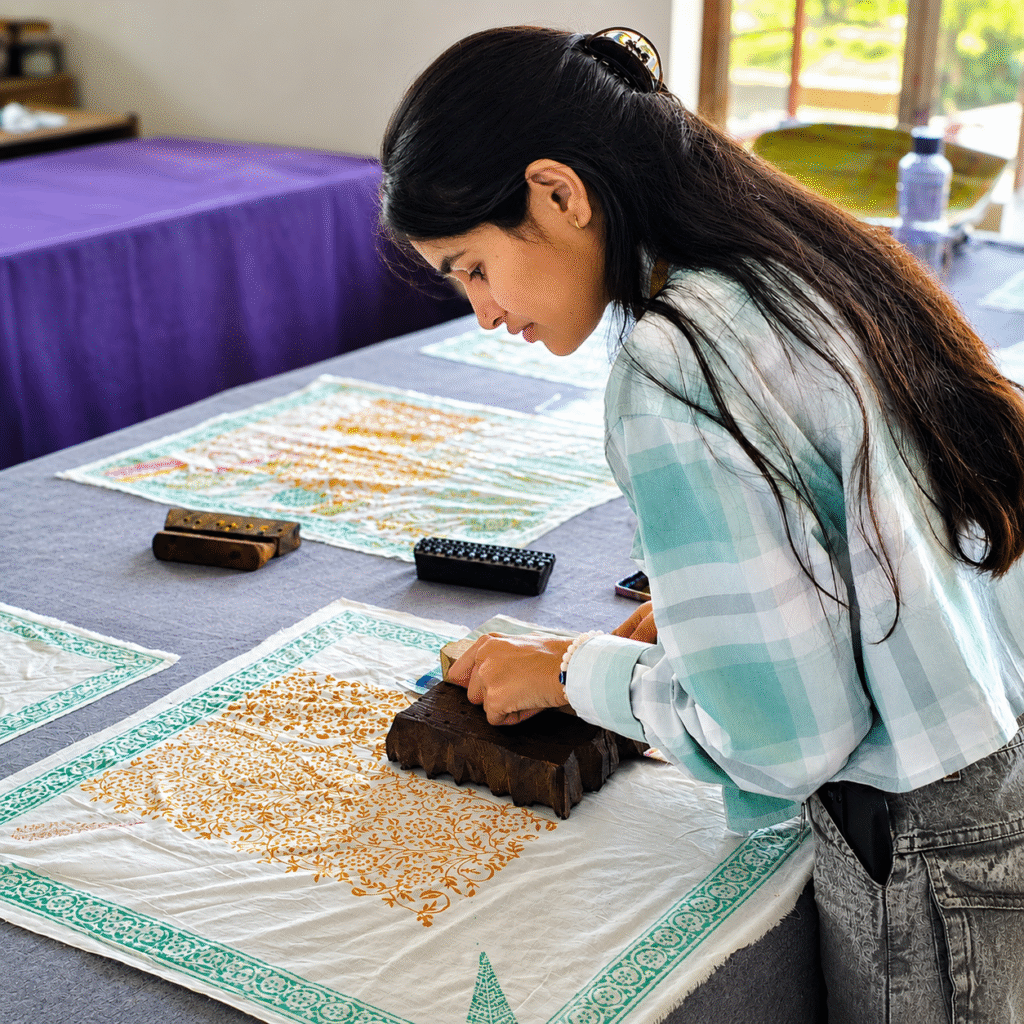
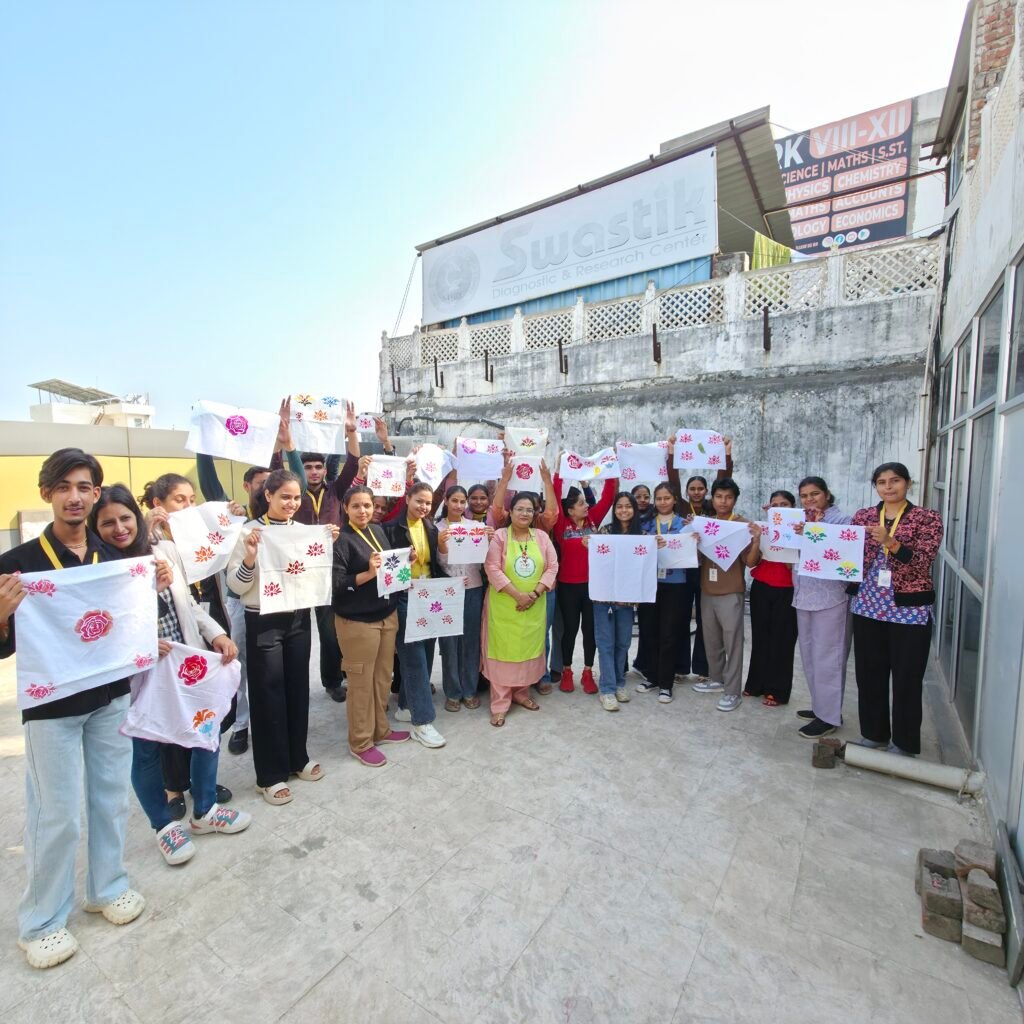
Sanganer, a town just south of Jaipur, is known for delicate, floral block-printed patterns on white or off-white cotton, traditionally created using natural dyes and mordants. The craft is old enough — with a documented history stretching back centuries — that Sanganeri Hand Block Printing received an official Geographical Indication (GI) tag… A GI tag legally protects the name and ensures that only textiles genuinely produced in the Sanganer region can be sold under that name — a formal recognition of both the craft’s authenticity and the artisan community that sustains it.
Bagru: Natural-Dye, Mud-Resist Printing
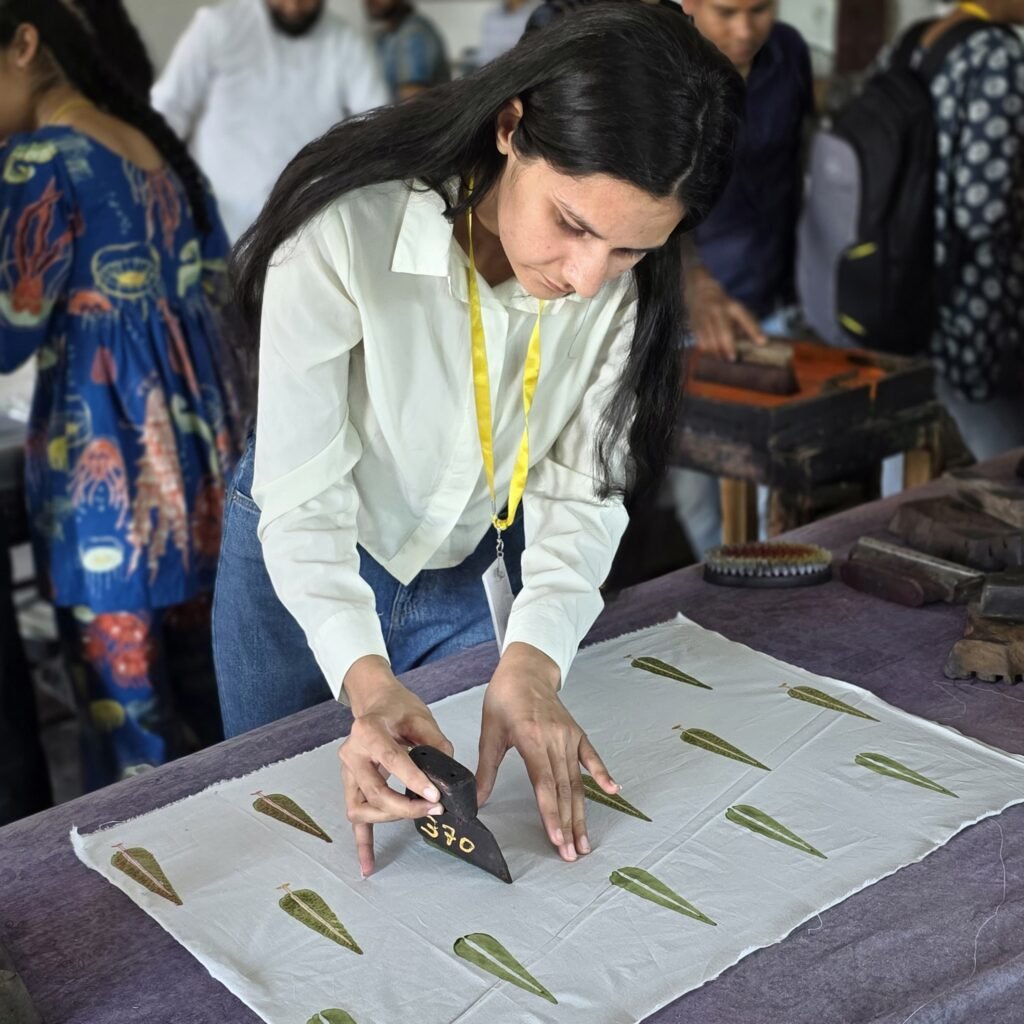
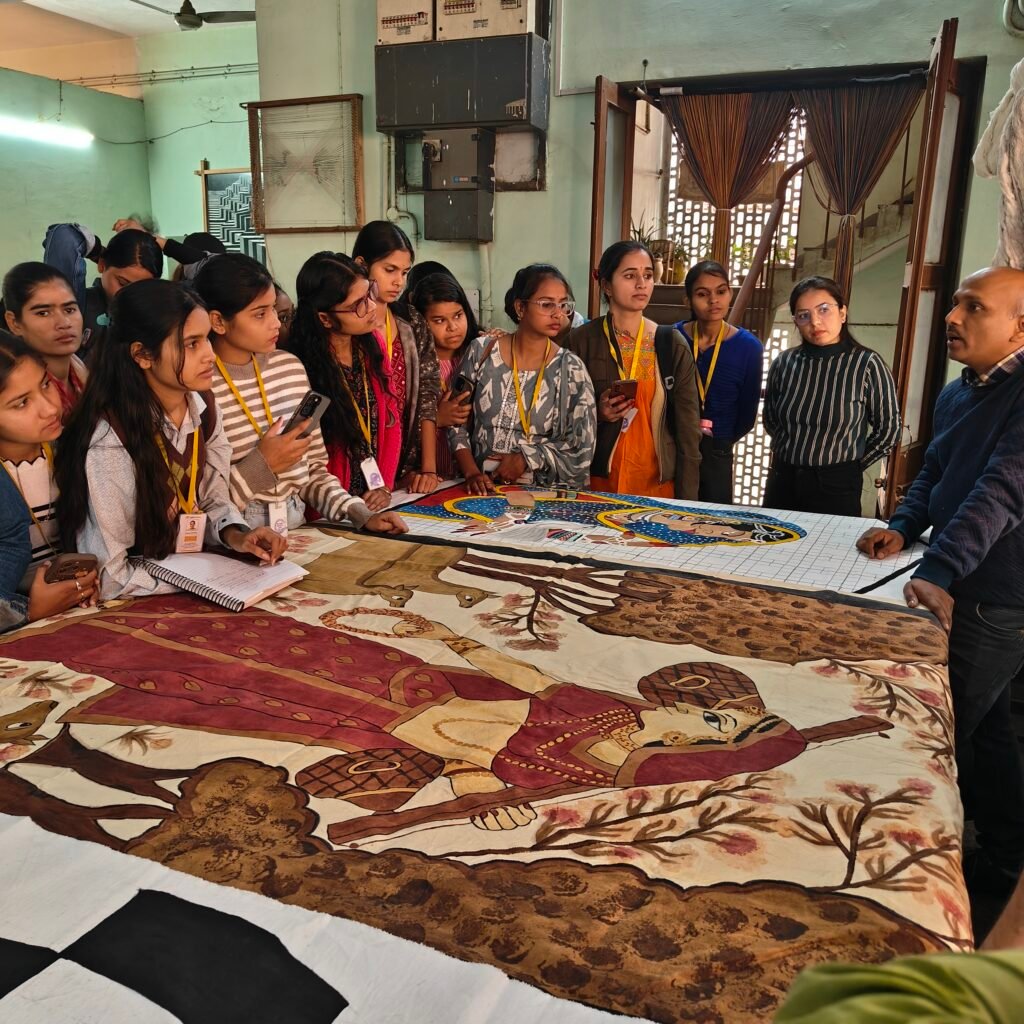
Bagru, a village roughly 30 km from Jaipur, is known for a different tradition — earthy, geometric block prints created using natural dyes like indigo and madder… Because water was historically scarce in the region, resist-printing methods that minimize water and dye use became the norm — sustainability born of necessity, refined over generations into a distinctive aesthetic.. Bagru Hand Block Print also holds its own GI recognition, alongside other Rajasthan crafts like Jaipur Blue Pottery.
Why This Matters Beyond Craft History
These aren’t museum traditions — they’re active production clusters supplying both domestic and export markets today. For anyone studying fashion design, having this kind of living, natural-dye, low-waste textile ecosystem nearby is a genuinely different learning environment than studying sustainable design purely through case studies and lecture slides.
What's Happening in Indian Textile Sustainability Right Now
Sustainability in Indian textiles isn’t just a craft-heritage story — it’s an active policy priority. The Ministry of Textiles, Government of India, published a dedicated resource “Sustainable Handloom Traditions of India” created with the UN Environment Programme (UNEP) and the Centre for Environment Education, documenting how India’s handloom sector reflects organic materials, natural dyes, and eco-friendly techniques rooted in ecological wisdom passed down through generations of artisan communities.
More recently, the Union Budget 2026 – 27 introduced several textile-sector measures with direct sustainability relevance, including a National Fibre Scheme aimed at strengthening India’s natural and regenerative fibre base, and continued investment in cluster-based, GI-tagged, and traceable production. At the 2026 National Handloom Day events, officials from the Ministry specifically highlighted how GI-tagged products and eco-conscious craftsmanship are being positioned as India’s answer to rising global demand for sustainable textiles.
The takeaway for anyone studying fashion design today: sustainability isn’t a side specialty anymore — it’s increasingly built into how India’s textile and design sector talks about its own competitiveness, from government policy down to individual artisan clusters like Sanganer and Bagru.
Core Sustainable Design Principles Worth Learning (Wherever You Study)
Whether or not a fashion program markets itself as a “sustainability course,” these practical skills and principles are important indicators of sustainable design education. They are worth considering when evaluating any fashion design program:
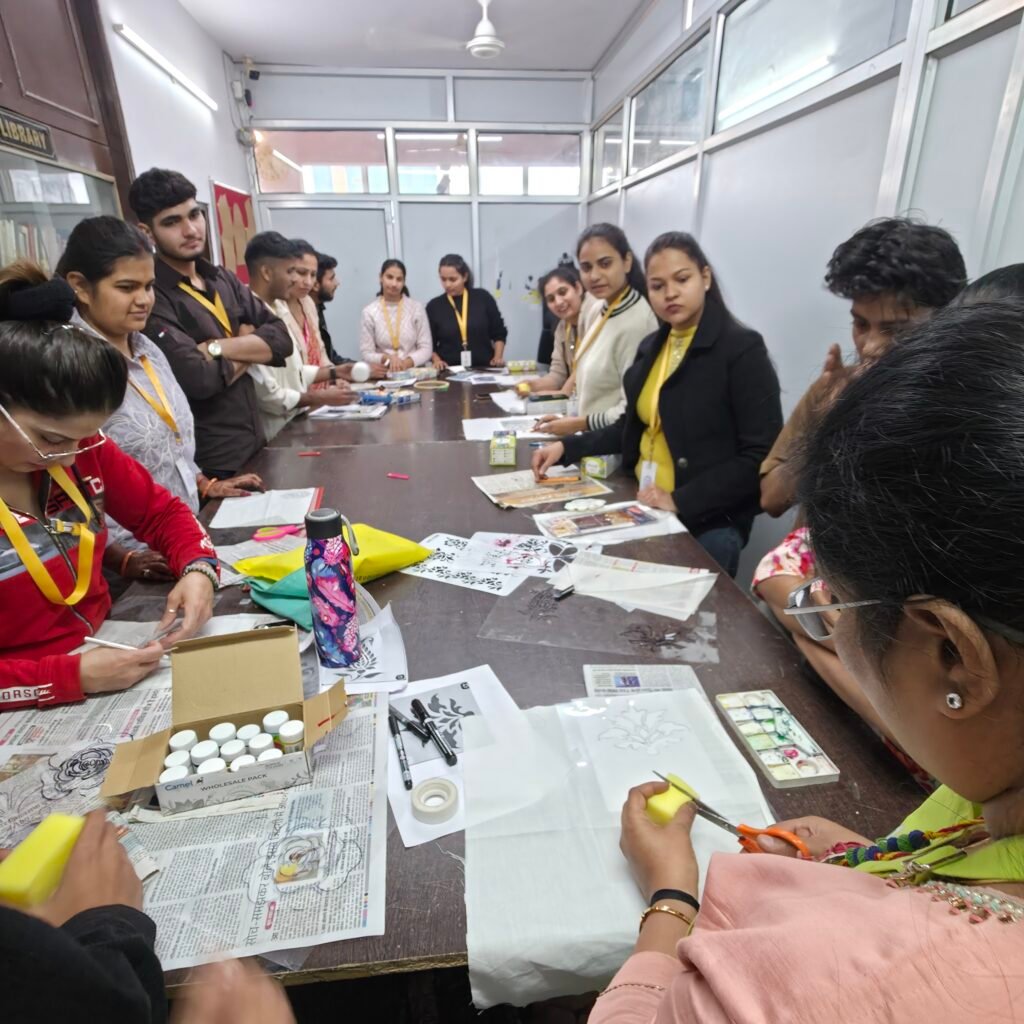
- Natural & Low-Impact Dyeing — Understanding plant-based, mineral, and mud-resist dyeing techniques, such as those used in Bagru, and how they compare with synthetic dyes in environmental impact and aesthetic results.
- Zero-Waste & Efficient Pattern Cutting — Designing garments that minimize fabric waste and offcuts during the cutting process, while developing efficient pattern-making skills.
- Working with GI-Tagged & Artisan-Produced Textiles — Understanding textile provenance, authenticity, ethical sourcing, and respectful ways to work with traditional crafts and their originating communities.
- Digital & 3D Prototyping — Using digital tools to test garment fit and drape virtually before cutting physical fabric, helping reduce sample-stage waste.
- Circular & Repair-Conscious Design — Designing garments for durability, repair, reuse, and repurposing rather than treating fashion as disposable.
A Note on LIPS and Sustainable Practice
Leela Institute of Professional Studies (LIPS), based in Mansarovar, Jaipur, doesn’t currently offer a course specifically branded as “sustainable fashion design.” What it does offer, relevant to several of the principles above, includes hands-on training in pattern making and garment construction – through courses like its 6-Month Advanced Certificate in Women’s Wear Pattern Making & Development – where efficient, low-waste pattern cutting is a core practical skill regardless of whether it’s marketed under a sustainability label. Students working in Jaipur are also, simply by virtue of location, closer to the Sanganer and Bagru artisan clusters than students studying the same techniques elsewhere in India.
If sustainable design specifically is your primary interest, it’s worth asking any institute you’re considering – LIPS included – exactly how (and how much) sustainability is built into the curriculum, rather than assuming it from general marketing language
Frequently Asked Questions
Yes, in the sense that Jaipur sits genuinely close to two of India's most recognized natural-dye and block-printing clusters — Sanganer and Bagru — both GI-protected crafts with centuries of continuous production. That proximity is a real advantage for hands-on exposure, though it doesn't substitute for a curriculum that actively incorporates these techniques, so it's worth confirming with any institute how (or whether) they engage with these local clusters directly.
A Geographical Indication (GI) tag is a legal recognition, granted under India's Geographical Indications of Goods Act, 1999, that a product's name and reputation are tied to its specific place of origin. Sanganeri Hand Block Printing (2010) and Bagru Hand Block Print both hold GI status, meaning only textiles genuinely produced in those regions can legally be sold under those names a protection for both authenticity and the artisan communities who produce them.
Sanganeri prints are typically fine, floral, and printed on white or light-colored cotton backgrounds. Bagru prints use earthier, more geometric motifs, natural dyes like indigo and madder, and a mud-resist ("dabu") technique — a difference rooted partly in Bagru's historically limited water access, which shaped a resist-printing approach requiring less water and dye.
Not inherently sustainable and craft-conscious design skills increasingly overlap with mainstream demand, particularly in India, where government policy and export markets are actively pushing GI-tagged, traceable, and eco-conscious textile production. That said, like any fashion specialization, career outcomes depend heavily on individual skill, portfolio strength, and how proactively a graduate builds industry connections no single course or city guarantees outcomes on its own.
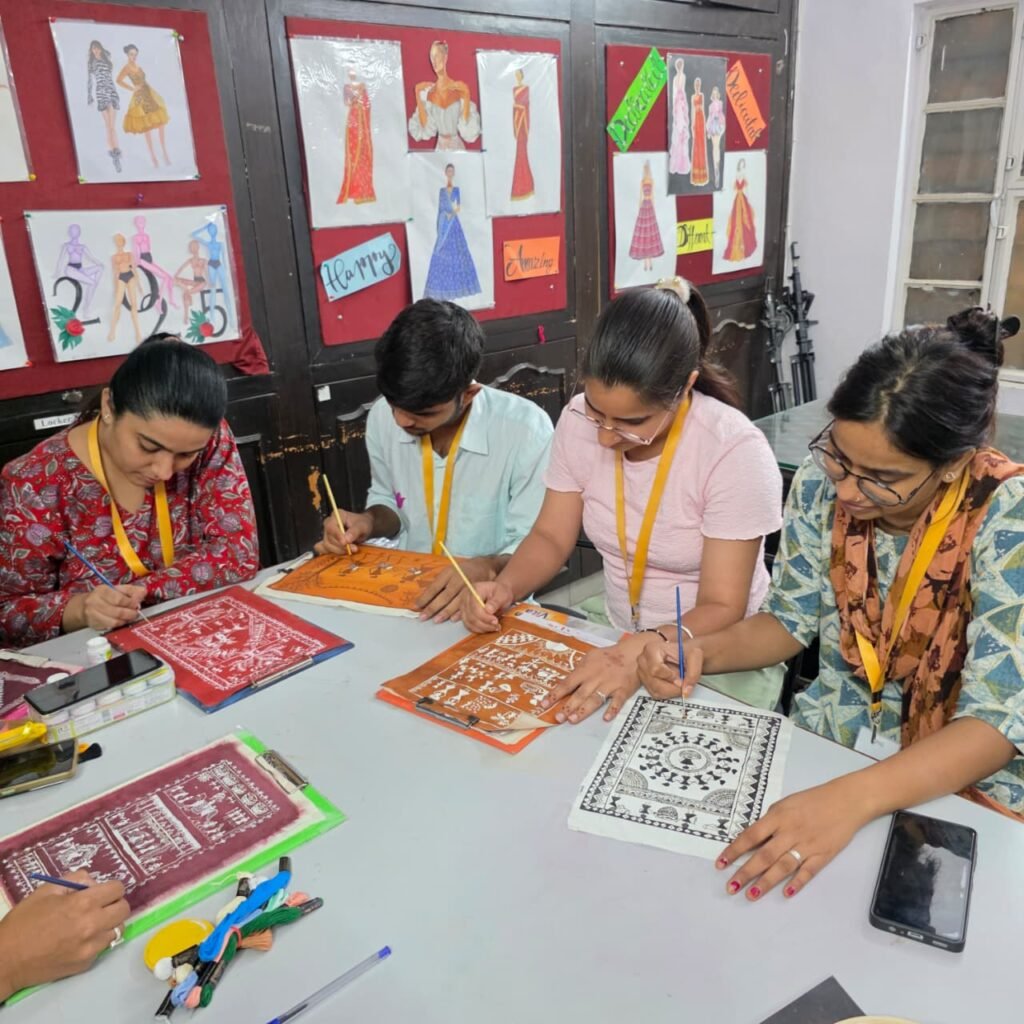
This varies significantly by institute some formal fashion design programs incorporate textile technique modules directly, while in other cases, natural dyeing and block printing are taught separately through standalone artisan workshops (common around Sanganer and Bagru specifically). If this is a priority, ask any institute directly whether these techniques are part of the core curriculum or something you'd need to pursue separately.
A Note on How to Use This Guide
If sustainable or craft-rooted design genuinely interests you, the most useful next step is direct exposure visiting a working block-printing unit in Sanganer or Bagru if you can arrange it, and asking any fashion design institute you’re considering exactly how (not just whether) sustainability and traditional technique show up in their actual coursework, studio time, and assessments. Marketing language on this topic varies widely across institutes; hands-on specifics are what actually tell you what you’ll learn.
External Reference Links
- NABARD Geographical Indications Registry — Sanganeri Hand Block Printing GI Record
https://www.nabard.org/gi/GIProductDetails.aspx?Id=64 - Ministry of Textiles, Government of India — Sustainable Handloom Traditions of India, produced in collaboration with UNEP and the Centre for Environment Education.
https://www.handlooms.gov.in/assets/img/EBOOK/Sustainability%20in%20the%20Handloom%20Traditions%20of%20India.pdf
Call to Action
Interested in hands-on fashion design training in a city with real textile heritage on its doorstep?
Leela Institute of Professional Studies (LIPS) offers practical, portfolio-based fashion design courses at its Mansarovar, Jaipur campus — including pattern-making training where efficient, low-waste construction is a core practical skill.
📍 Visit us: 104/4, Near Meera Marg, Opp. Bank of Baroda, Mansarovar, Jaipur
📞 Call or WhatsApp: +91 98283 96131 | +91 97826 62229
🌐 Explore courses: www.lipsglobal.com
✉️ Email: info@lipsglobal.com
👉 Book a Free Demo Class → /contact/
👉 See Our Fashion Design Courses → /fashion-design-courses/
Curious specifically about pattern-making, textile technique, or how craft heritage fits into the coursework? Call the number above — a direct conversation will give you a clearer picture than any course page.
Join LIPS Today!
Step into the captivating realm of design at LIPS, one of the Best Fashion Design Colleges in Jaipur. Foster your journey into the dynamic world of design, innovation, and self-expression. Join us, where passion meets profession, and let your creativity unfold in the most exciting way possible. Welcome to a future shaped by your unique vision, and our commitment to excellence remains unwavering.

GB Sir (NIFTian)
Mentor - LIPS
About leela institute of professional studies
One of the Best Fashion Design Colleges in Jaipur Since 2013
Leela Institute of Professional Studies Jaipur alias LIPS Jaipur is one of the Best Fashion Design Colleges in Jaipur providing Regular and Online Fashion Courses, Interior Design Courses, Graphic Design Courses, Jewelry Design Courses, Website Design Courses, & Digital Marketing Courses.
Academic
Successfully Complete Your Design Education At LIPS
Begin a transformative journey as you successfully complete your design education at LIPS Jaipur, recognized as one of the best fashion design colleges in Jaipur. Immerse yourself in a dynamic learning experience, where creativity meets skill development.
Trusted institute since 2013
What Gives Us An Edge
Top-notch infrastructure and facilities, guided by a NIFT-trained mentor, invite you to be part of LIPS—the best fashion design college for building a fascinating and successful career.





Subscribe Our Newsletter
Stay updated. Subscribe to our newsletter for the latest trends, events, and exclusive insights delivered to your inbox
About Us
Discover excellence at Leela Institute of Professional Studies, Jaipur – the premier Fashion & Design Institute since 2013. Offering on-campus and online courses in Fashion, Interior, Graphic, Jewelry Design, Website Design, and Digital Marketing.
Quick Links
Work Hours
- Mon - Fri
- Sat - Sun
- 10 AM - 4 PM
- Closed