

1-Year Fashion Designing Course in Jaipur: The Honest Guide
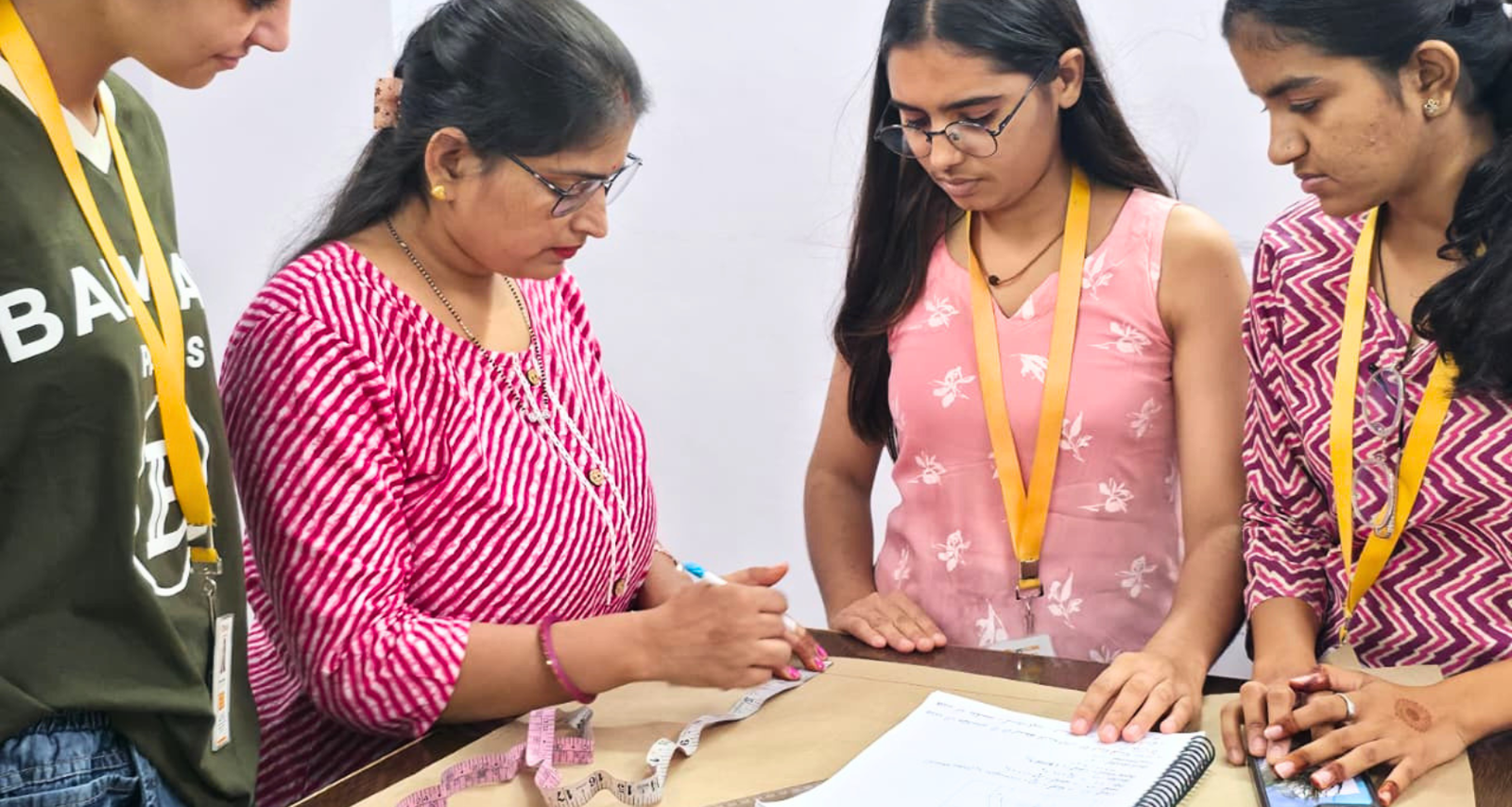
Introduction: The Question Every Prospective Student Actually Asks
Before enrolling in a fashion designing course, the real question isn’t “which institute is best.” It’s much more specific: what will I actually be able to do at the end of this?
Most course pages answer this vaguely — “learn fashion design,” “become industry-ready,” “build your dream career.” None of that tells you what you’ll actually learn, make, or be capable of after twelve months. This article walks through that honestly, module by module, using the curriculum taught in LIPS’s 1-year Fashion Boutique & Dress Designing program in Jaipur.
What Is a 1-Year Fashion Designing Course?
In simple terms, a 1-year fashion designing course is a full-time, practical training program that takes you from the basics of fashion — fabric, sketching, pattern-making — through to actually constructing finished garments and building a portfolio, in twelve months.
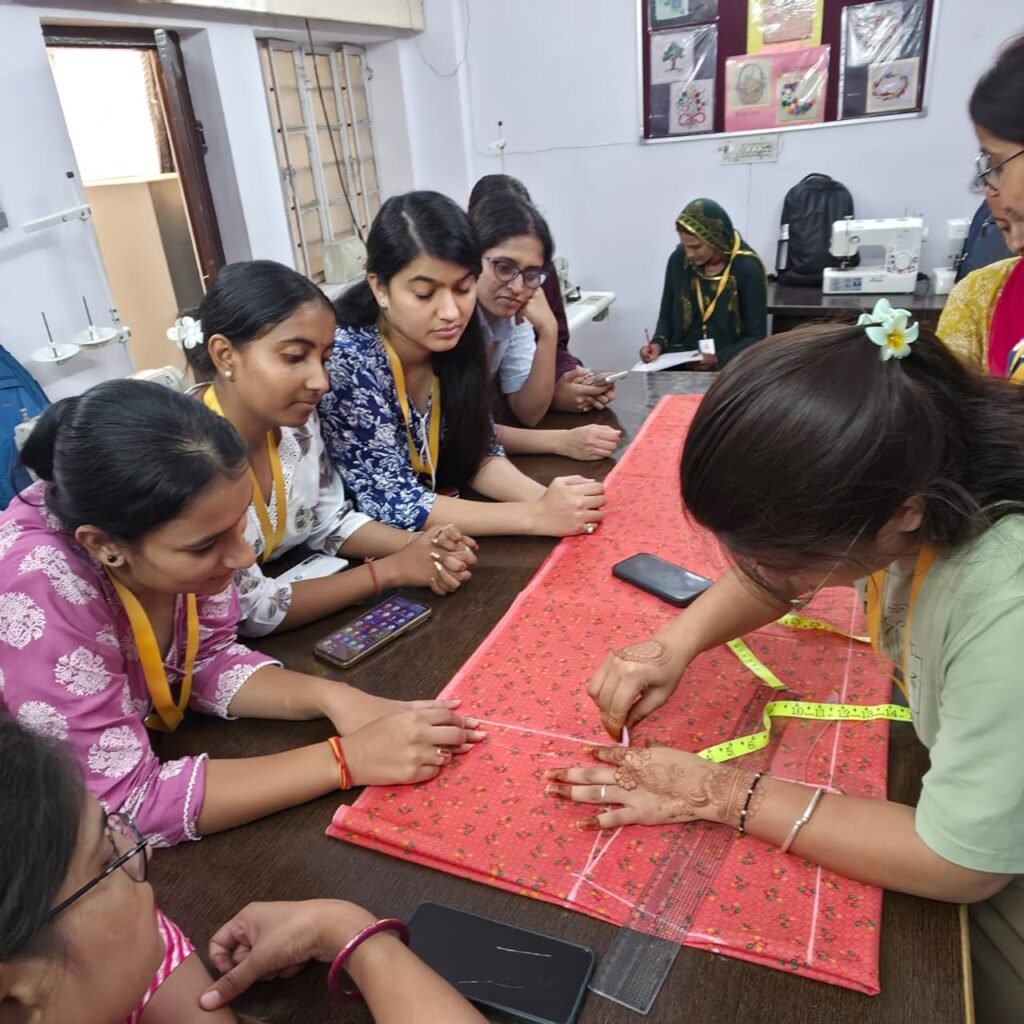
What Will You Learn? A Module-by-Module Breakdown
This section breaks down the full fashion designing course syllabus, module by module, exactly as it’s taught at LIPS.
Foundation of Fashion Design. Before any construction work begins, the course covers fashion terminology, the design process, global fashion capitals, the history of Indian fashion, traditional Indian textiles, and the core elements and principles of design — the vocabulary every other module builds on.
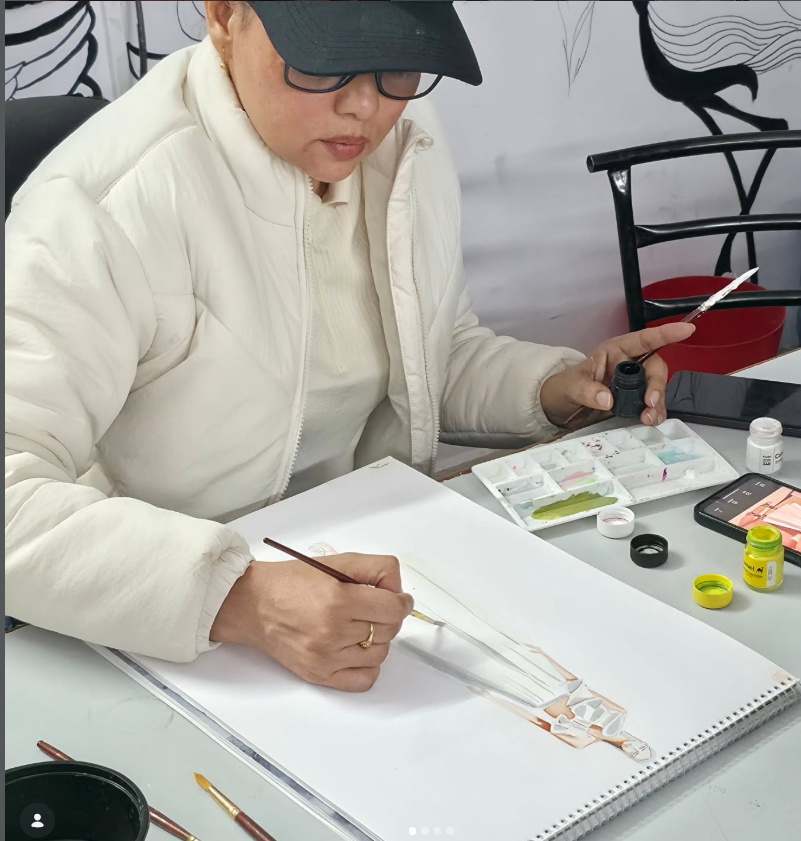
Textile Science. Natural fibers (cotton, linen, silk, wool) and man-made fibers (rayon, polyester, nylon, spandex), yarn types, woven/knitted/non-woven fabric construction, fabric finishes, and dyeing and printing techniques including tie-dye, batik, screen printing, block printing, and digital printing. Students also learn practical fabric testing — burn tests, GSM, fabric count, and reading care labels.
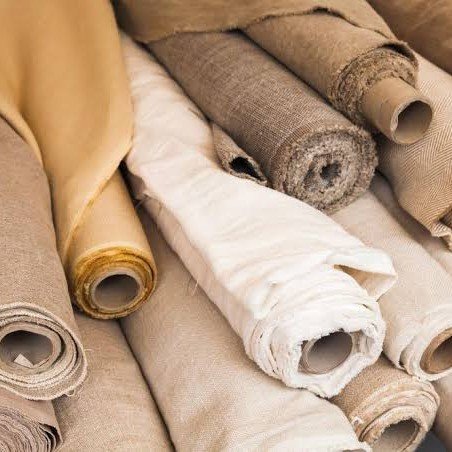
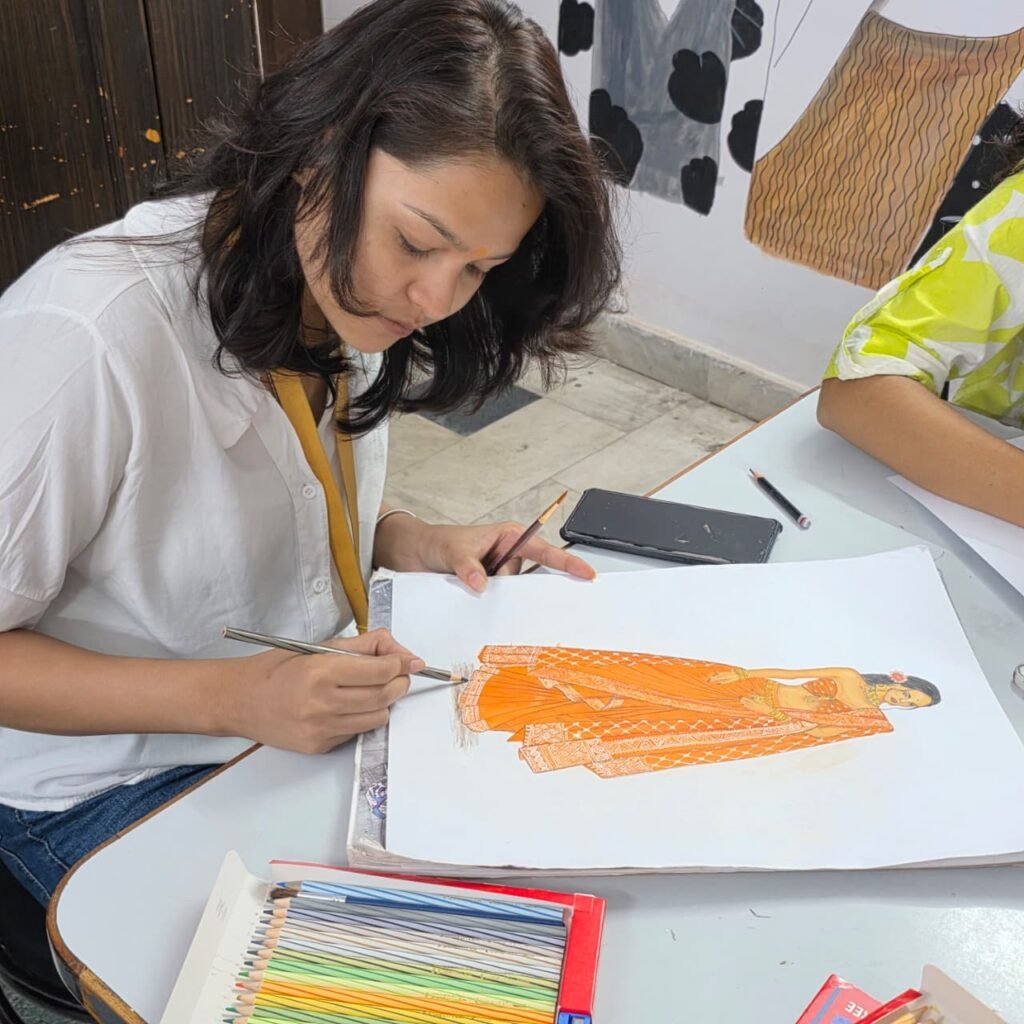
Fashion Illustration, Styling & Boutique Management. Drawing the fashion figure with correct proportions and poses, garment draping and sketching, shading and color rendering, styling for different body shapes, and the practical side of actually running a boutique.
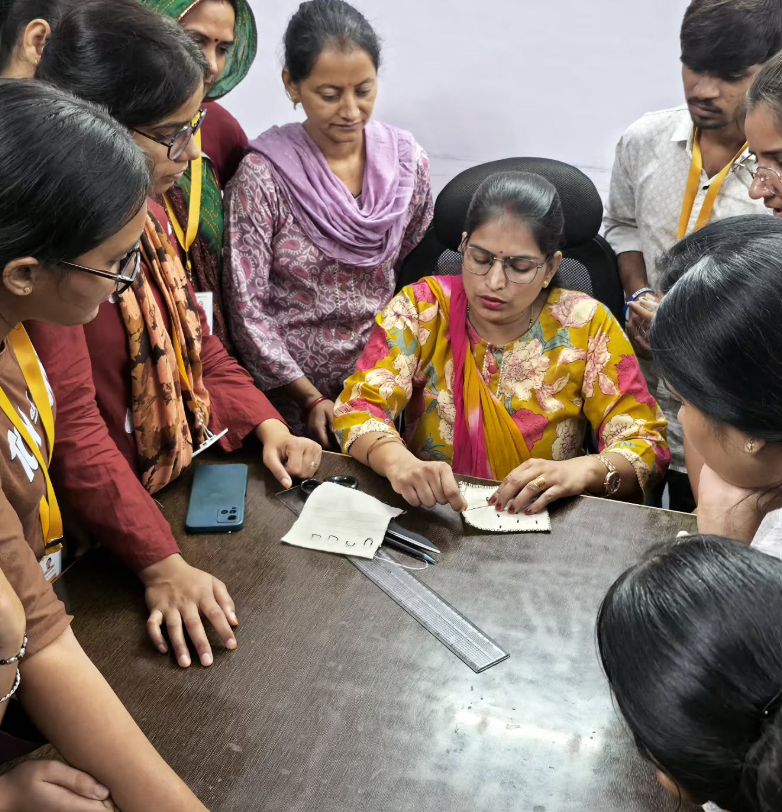
Pattern Making. One of the most extensive modules in the course — starting from reading a ruler and measuring the female body, through drafting slopers (bodice, skirt, pant), dart manipulation techniques, and progressing to sleeve variations (puff, bishop, raglan, kimono, leg-o-mutton), skirt variations (A-line, circular, gored, pegged), collar types (Mandarin, Peter Pan, shawl, sailor), and neckline and pocket variations.
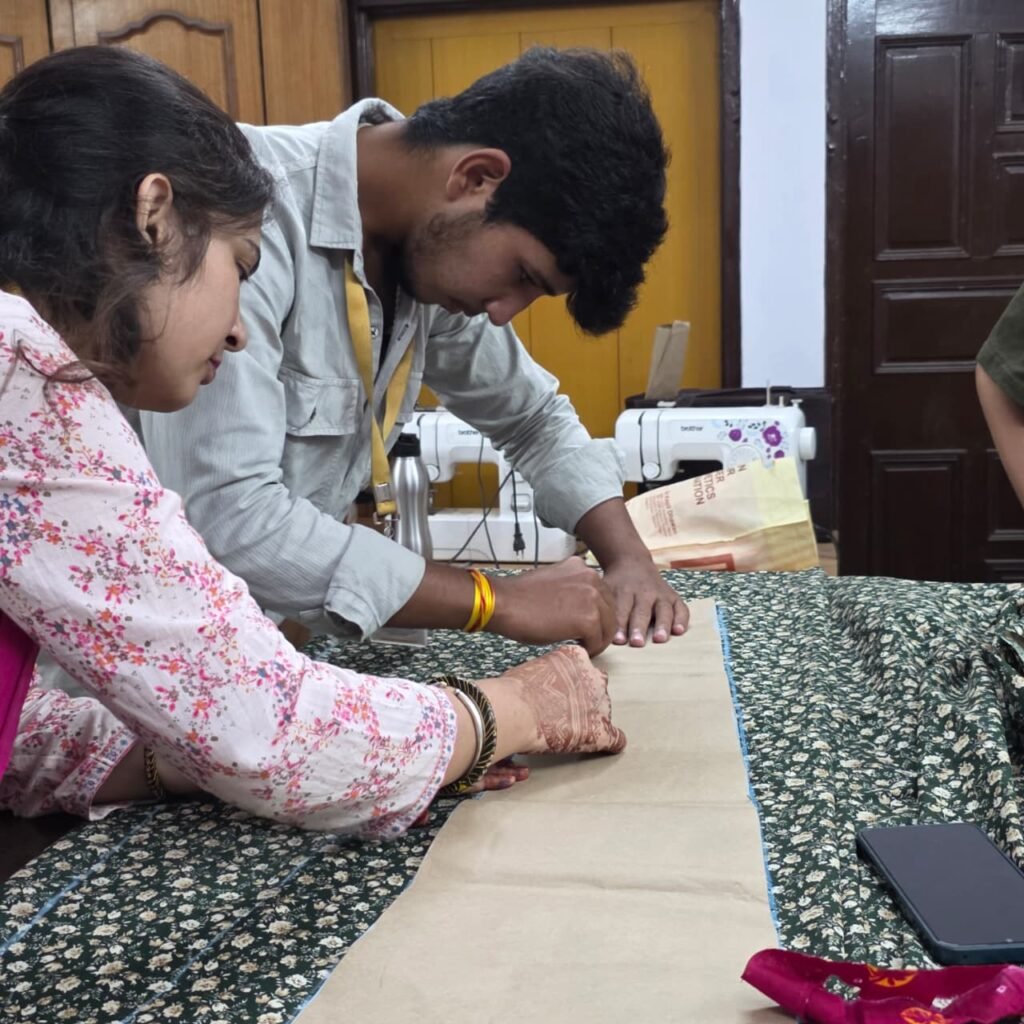
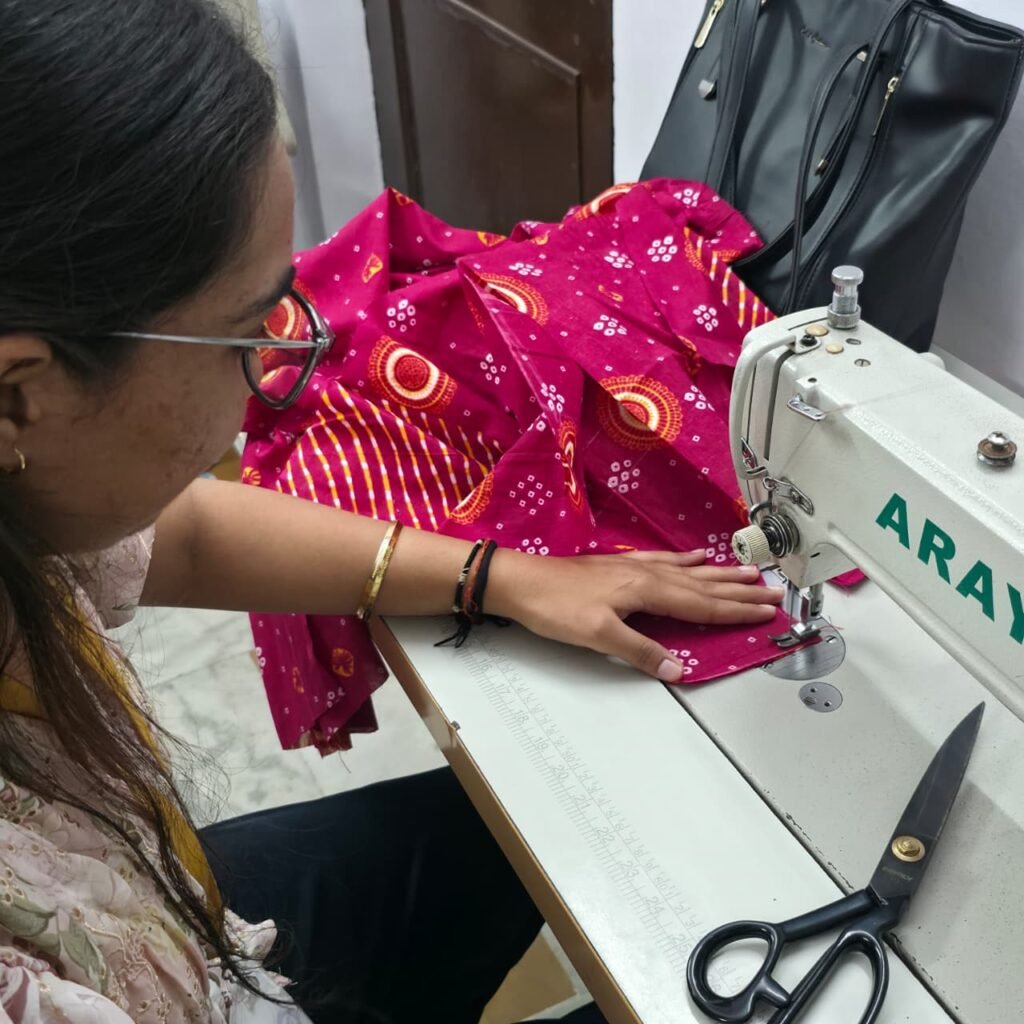
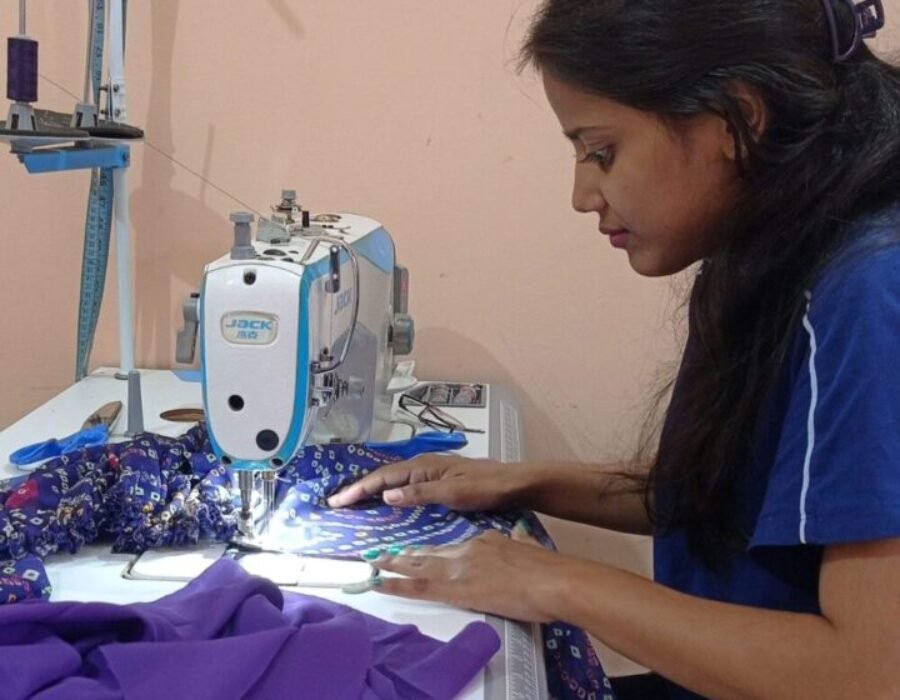
Garment Construction & Sewing Techniques. Sewing fundamentals — hand stitches, seam finishes, dart sewing, zipper insertion (invisible, lapped, fly-front), buttonholes, pleats, tucks, and hemming — before moving into full garment construction projects across both Indian ethnic wear and Western wear.
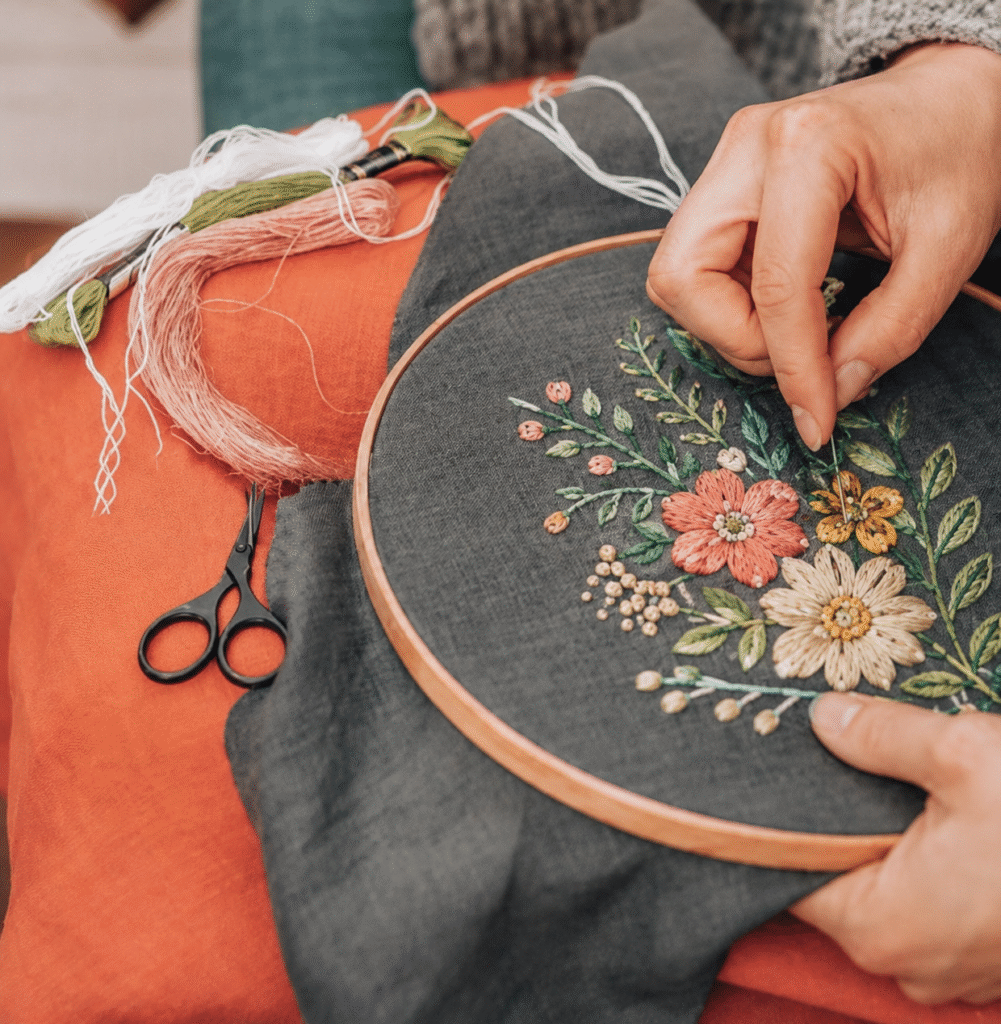
Surface Ornamentation. Hand embroidery from basic stitches through to traditional Indian techniques by name — Chikankari, Kantha, Phulkari, Kashida, Kutch, Kasuti, mirror work, Zardozi, and Gota Patti — alongside fabric painting techniques like Kalamkari, Madhubani, and Warli art.
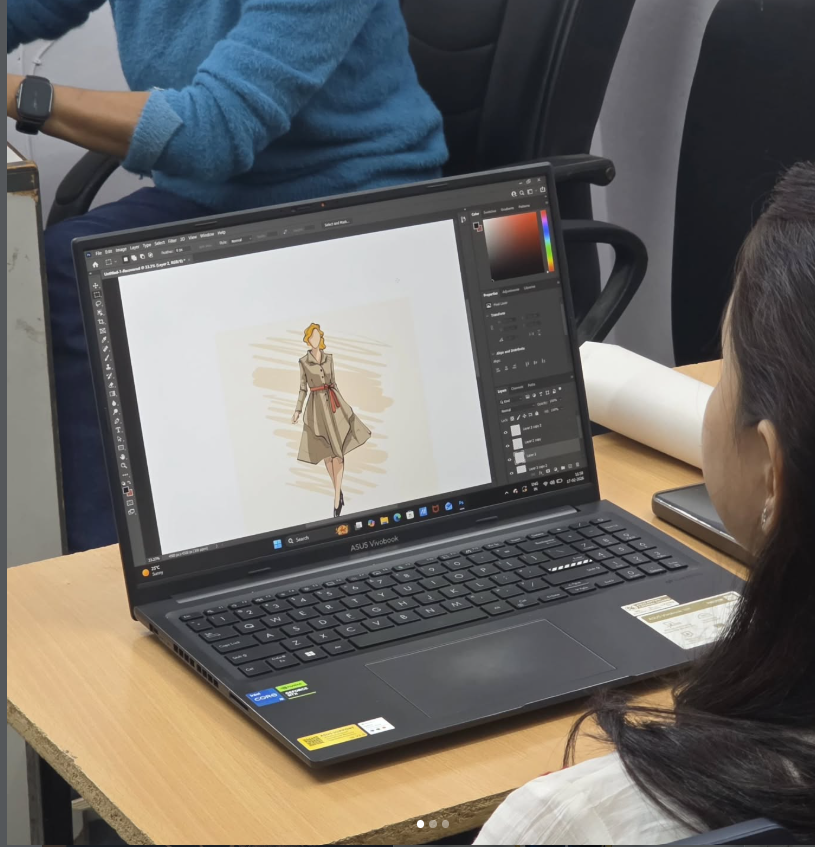
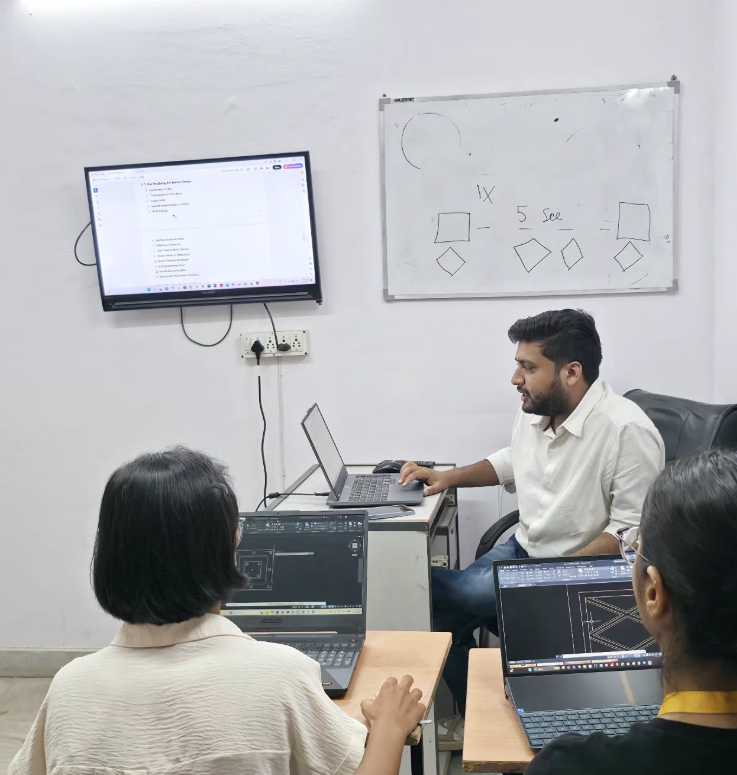
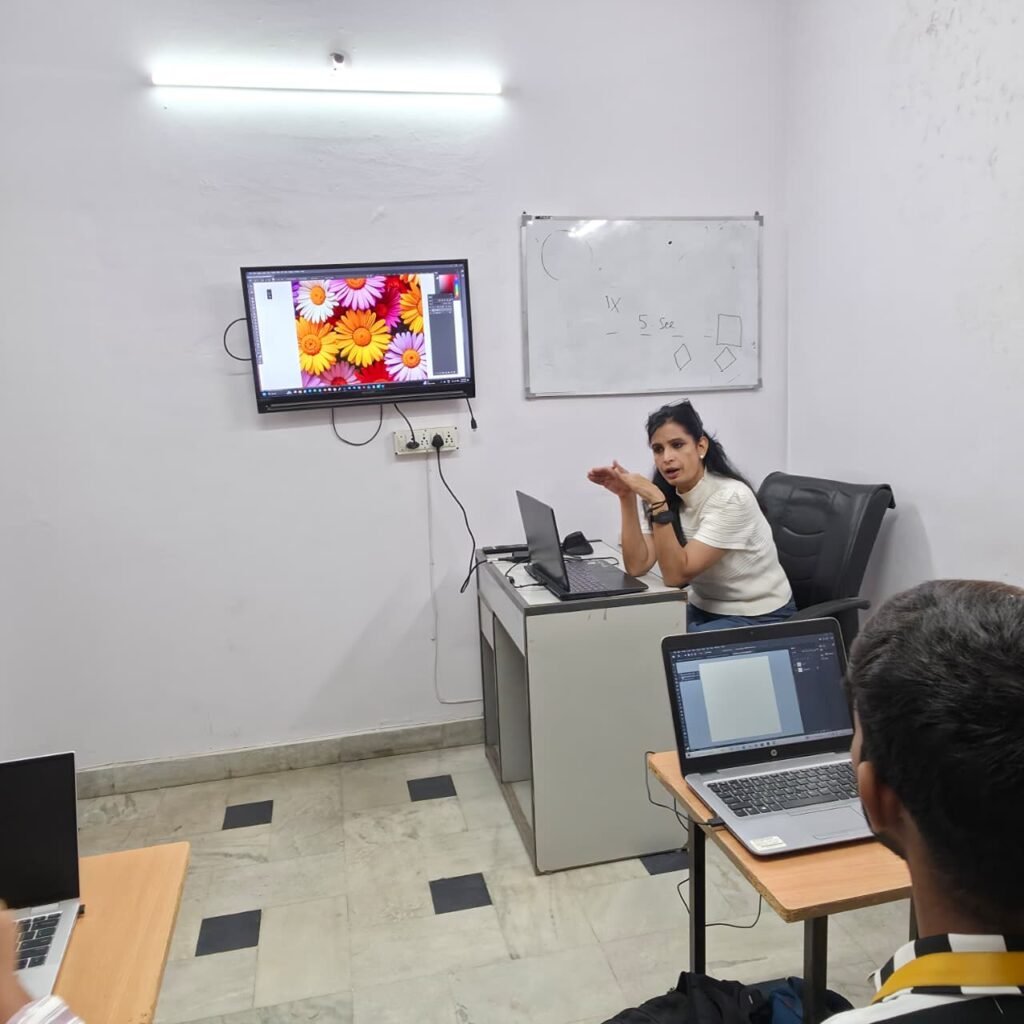
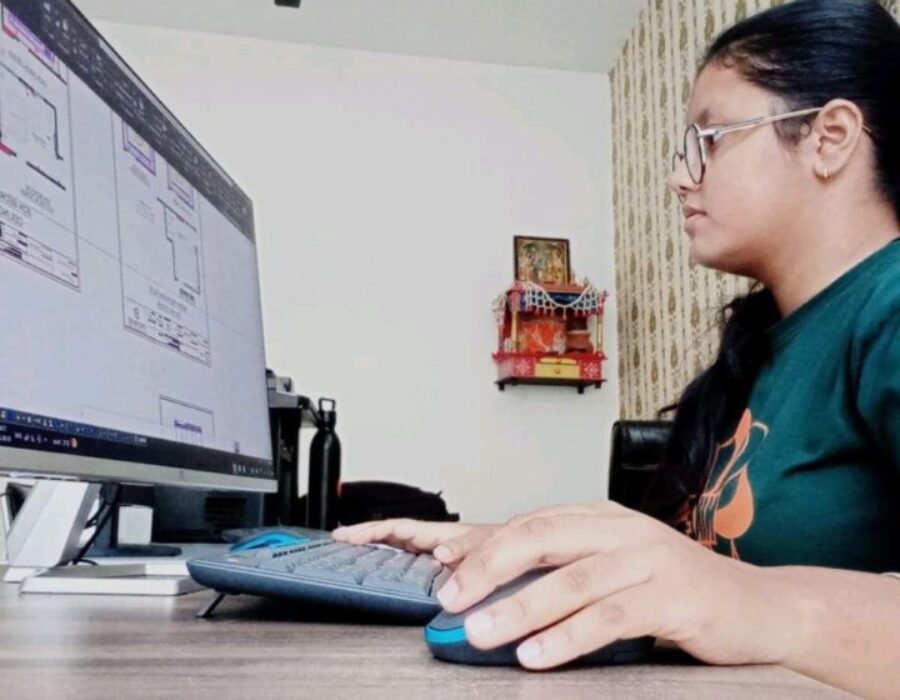
Computer-Aided Fashion & Textile Design (CAD). Adobe Photoshop for fashion illustration rendering and mood boards, Adobe Illustrator for fashion flats and technical spec sheets, and TUKAcad for digital pattern making, grading, and marker planning.
Branding, Social Media & E-Commerce. Students learn how to actually market their own work — building marketing creatives, a brand logo and brand kit, social content, a portfolio website, and setting up an ecommerce store. This matters especially for students planning to freelance or launch their own label, since a large share of new designers today build their client base on Instagram before they ever open a physical boutique.
AI Tools for Fashion Design. And because the industry is changing, students also learn how AI can support modern fashion workflows — assisting with illustration, textile print ideas, mood boards, trend research, and portfolio presentation. It’s a useful modern layer on top of the core skills above, not a replacement for them.
What Will You Actually Make?
This is the part that makes a 1-year fashion designing course in Jaipur genuinely worth it — and it’s the part most course pages skip.
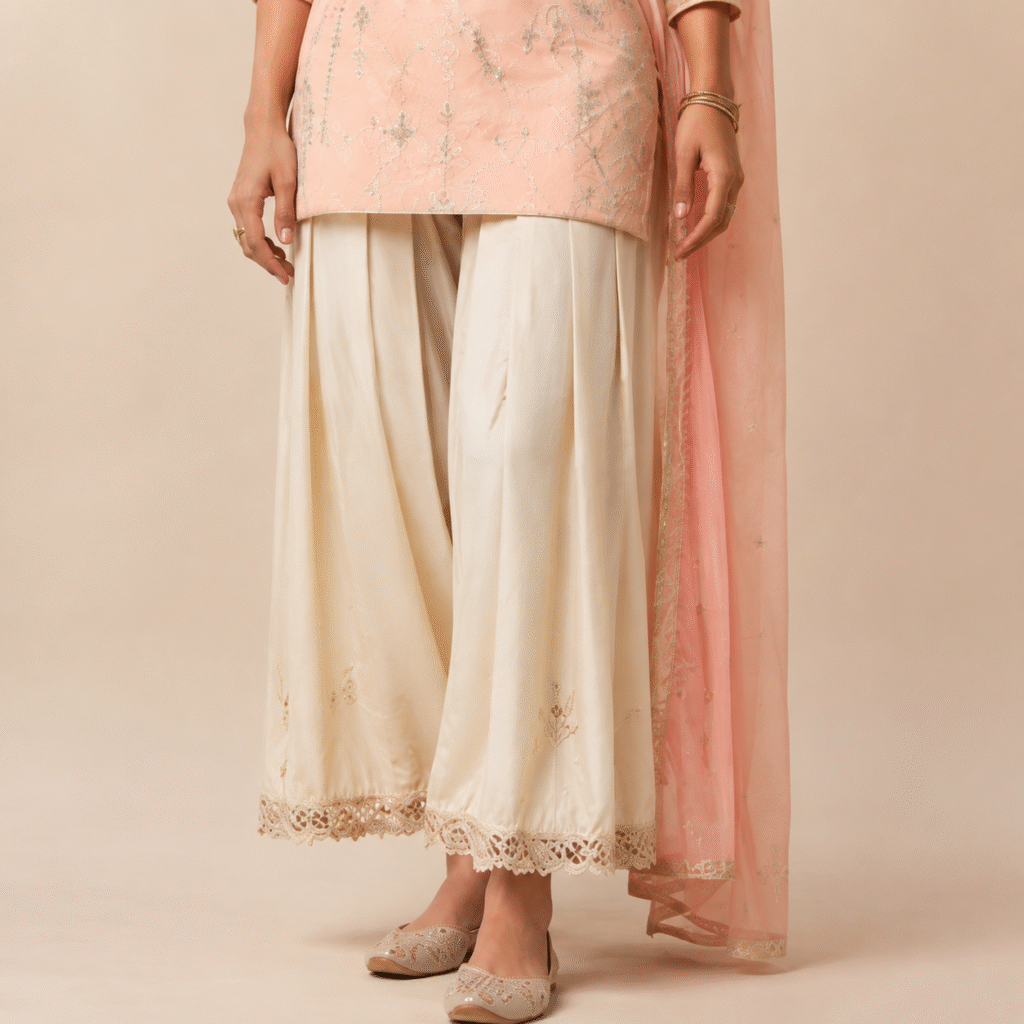
Bottom wear: Panel salwar, semi Patiala, churidar, Jodhpuri pants, katori salwar, butterfly salwar, khazoori, sharara, and dhoti salwar.
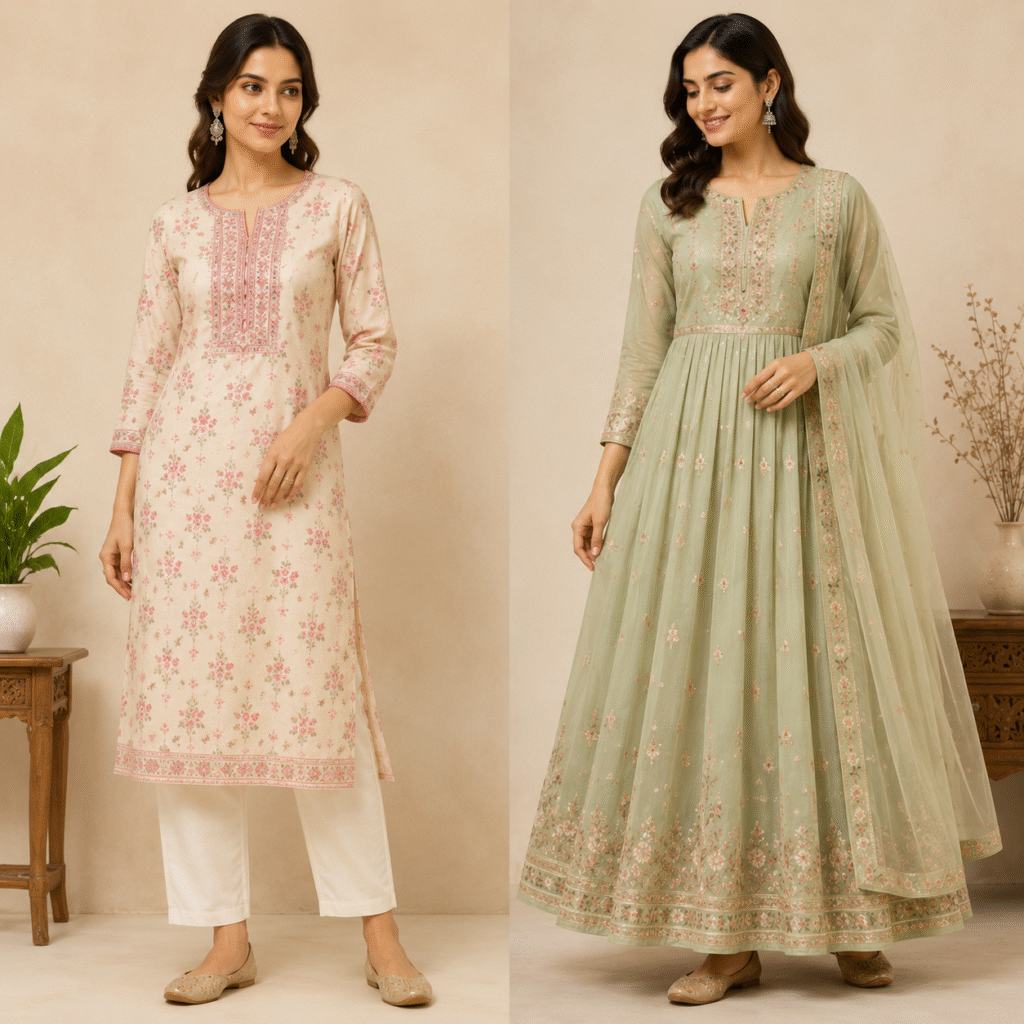
Kurti and Anarkali styles: Basic kurti, sleeveless kurti, Punjabi kurti, apple-cut kurti, A-line variations, angrakha, panel Anarkali, choli Anarkali, and asymmetrical Anarkali.
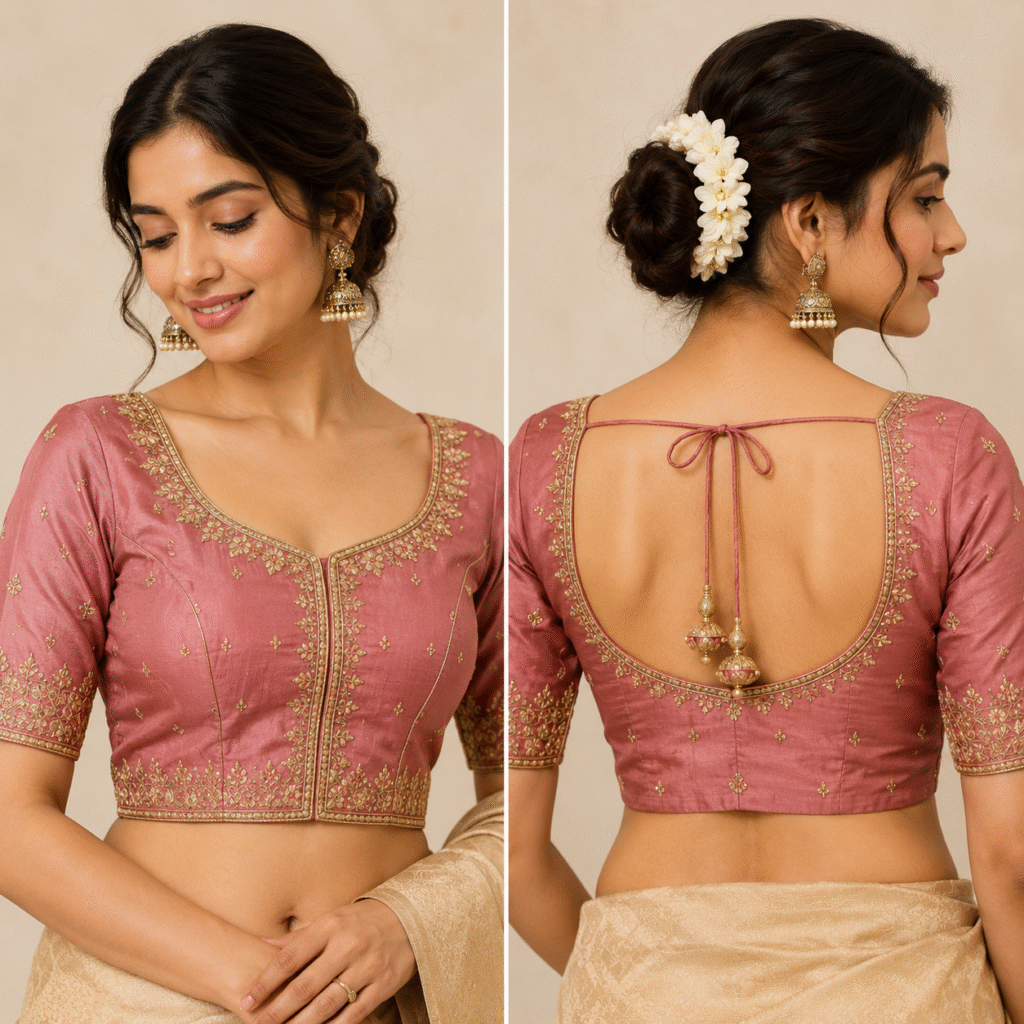
Blouses: Basic blouse, collared blouse, belted blouse, astar blouse, katori blouse, princess-cut blouse, and padded blouse.
Lehenga and its construction variations.
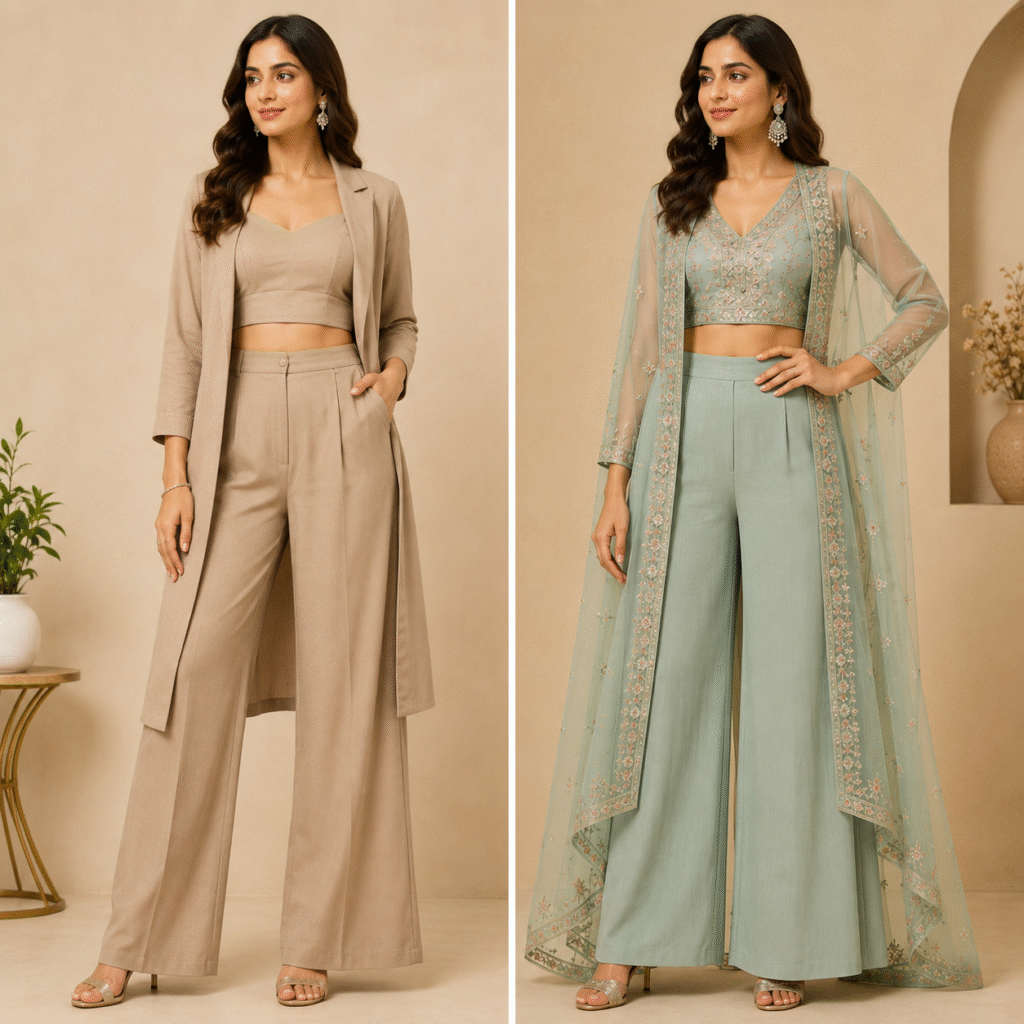
Western and Indo-Western wear: Palazzo pants, straight pants, co-ord sets, circular tops, kaftans, peplum tops, corsets, drape skirts, and a ready-to-wear saree.
What Skills Will You Have After One Year?
“You’ll become a fashion designer” isn’t a useful answer on its own. Here’s what a student completing the 1-year program at LIPS should be able to do:
- Understand fabrics — identify fiber types, fabric construction, and appropriate fabric choices for different garments
- Develop design concepts — move from an idea or inspiration to an actual design direction
- Create fashion illustrations — draw the fashion figure accurately and render designs visually
- Draft basic patterns — build slopers and patterns from body measurements, not just trace existing ones
- Manipulate darts — a core pattern-making skill underlying almost every fitted garment
- Construct garments — sew and assemble a finished piece from cut fabric to completed garment
- Understand fitting — recognize and correct fit issues on a real body, not just on paper
- Work with surface ornamentation — apply embroidery or fabric painting techniques
- Develop a small collection — design and construct multiple cohesive pieces, not just one-off garments
- Prepare a professional portfolio — present work the way the industry actually expects to see it
- Understand basic fashion business — pricing, boutique operations, and selling your own work
Is 1 Year Fashion Course Enough to Start a Career?
This is the honest question worth asking directly, rather than avoiding it.
A well-taught 1-year course can genuinely give you the practical foundation to enter the industry — real construction skills, a portfolio, pattern-making ability, and software fluency are what most entry-level fashion roles actually screen for. That foundation is real.
But becoming a consistently successful, established designer takes more than any single course, regardless of its length. It takes continued practice beyond the classroom, ongoing portfolio development, real industry exposure, and the kind of experience that only comes from actually working.
The honest way to think about it: a good 1-year course gets you industry-ready, not industry-finished. Course → foundation, skills, and portfolio → career growth continues from there, through practice and real-world exposure.
Why Jaipur Is a Genuinely Good Place to Learn Fashion Design
This matters beyond convenience. Jaipur sits next to two of India’s most recognized textile and craft clusters
—Sanganer, known for fine floral block printing, and Bagru, known for natural-dye, mud-resist (“dabu”) printing
—both holding official GI (Geographical Indication) recognition from the Government of India.
For students, this creates a genuine advantage: the classroom isn’t isolated from India’s textile heritage — it sits inside a living one. Jaipur also has a strong ethnic wear and bridal design ecosystem, an active boutique and design retail scene, and regular exhibitions and fashion events that give students real exposure beyond the classroom.
None of this replaces solid classroom training, but it’s a meaningful backdrop for anyone studying fashion design specifically in this city rather than a generic urban center with no textile identity of its own. (For more on this, see our guide to sustainable fashion and textile heritage in Jaipur.)
If you’re comparing every fashion design course Jaipur has to offer, this local craft ecosystem is worth factoring into your decision before you enroll anywhere.
What Should You Check Before Choosing a Fashion Designing Institute?
Rather than comparing institutes by name, here are the specific questions worth asking directly, wherever you’re considering enrolling:
- How many garments will I actually construct during the course, and which ones specifically?
- How much of the course is hands-on pattern-making versus theory?
- Which software will I actually train on, and how many hours are dedicated to it?
- Is portfolio development built into the course throughout, or left to the final weeks?
- Are there live industry assignments or real client-style briefs during the course?
- What does placement or internship support actually include, in practice?
- Is there any business or boutique-management training, if I want to work for myself?
A good institute — any institute — should be able to answer every one of these clearly and specifically. Vague answers to concrete questions are the clearest warning sign, regardless of which institute you’re evaluating.
Career Options After the Course
A well-taught 1-year fashion designing course in Jaipur should open genuinely varied paths, not funnel every student toward the same job title.
Fashion Designer, Assistant Fashion Designer, Boutique Designer, Pattern Maker, Fashion Illustrator, Fashion Stylist, CAD Fashion Designer, Textile & Surface Designer, Fashion Merchandiser, Fashion Production Assistant, Quality Control Executive, Fashion Content Creator, and Fashion Entrepreneur or Boutique Owner — including freelance work for students who want to build their own client base directly after the course.
Which of these fits you depends heavily on which parts of the course you lean into most — someone who focuses on CAD and digital tools is positioned differently than someone who focuses on hand embroidery and boutique construction, even within the same program.
What Does Placement Support Actually Mean?
This phrase gets used loosely across the industry, so it’s worth being specific. At LIPS, placement support includes resume assistance, interview preparation, connections to job and internship opportunities, and general career counselling drawing on the institute’s industry connections.
It’s worth saying plainly: placement support is not the same as a guaranteed job. What it means in practice is help getting in front of the right opportunities and being properly prepared for them — the actual outcome still depends on the individual student’s skill, portfolio, and effort. Any institute that implies otherwise is overpromising.
Course Fees
Course fees vary by intake, program length, and available payment options. Students can contact LIPS directly for the current fee structure and flexible payment plans available for this program.
Frequently Asked Questions
Can I join a fashion designing course after 12th? Yes — a 1-year fashion designing course is one of the most common starting points right after 12th, and doesn’t require any prior design background. Some institutes, including LIPS, also offer certificate-level options for students still exploring their interest before committing to a full year.
Yes — sewing and garment construction are taught from the basics as part of the course itself. What matters more going in is genuine interest in fabric, construction, and design, not existing sewing or drawing skill.
Yes. A structured 1-year program is specifically designed to take a complete beginner through fashion terminology, textile basics, illustration, pattern-making, and construction step by step, rather than assuming prior knowledge.
This is exactly the kind of foundation a good 1-year fashion designing course in Jaipur is built to provide.
A diploma, typically 1 year, is issued by the training institute and focuses on fast, practical, skill-based training. A degree (B.Des or B.Sc), typically 3–4 years, is awarded by a UGC-recognized university and includes broader academic depth, with eligibility for postgraduate study. Neither is inherently "better" — they suit different goals.
Commonly, Adobe Photoshop and Illustrator for fashion illustration and technical flats, and specialized pattern-making software like TUKAcad for digital pattern drafting, grading, and marker planning. Many programs are now also introducing AI-based tools to support illustration, mood boards, and portfolio work.
In a properly taught program, construction work is central, not an afterthought — students typically construct a wide range of real garments across ethnic and Western wear categories, from salwar variations to lehengas to Western silhouettes, as part of the core curriculum.
It's enough to build a genuine practical foundation — construction skills, pattern-making, a portfolio, and software fluency — which covers what most entry-level roles actually require. Building a fully established career beyond that still depends on continued practice, real industry exposure, and experience gained after the course.
External Links
- Apparel, Made-Ups & Home Furnishing Sector Skill Council (AMHSSC) — the official skill council under India’s Ministry of Skill Development & Entrepreneurship (MSDE) and the National Skill Development Corporation (NSDC), responsible for setting occupational standards for fashion design training in India:
https://www.sscamh.com/
Call to Action
Want to see exactly what you’ll learn and make, module by module, before you enroll anywhere?
LIPS runs its full 1-Year Fashion Boutique & Dress Designing program at its Mansarovar, Jaipur campus — the exact curriculum broken down in this article.
📍 Visit us: 104/4, Near Meera Marg, Opp. Bank of Baroda, Mansarovar, Jaipur 📞 Call or WhatsApp: +91 98283 96131 | +91 97826 62229 🌐 Explore courses: www.lipsglobal.com ✉ Email: info@lipsglobal.com
👉 Book a Free Demo Class 👉 See the Full Course Curriculum
Want to see exactly what a 1-year fashion designing course in Jaipur actually looks like day to day? Call the number above, or ask to see the portfolio wall on your next campus visit.
Join LIPS Today!
Step into the captivating realm of design at LIPS, one of the Best Fashion Design Colleges in Jaipur. Foster your journey into the dynamic world of design, innovation, and self-expression. Join us, where passion meets profession, and let your creativity unfold in the most exciting way possible. Welcome to a future shaped by your unique vision, and our commitment to excellence remains unwavering.

GB Sir (NIFTian)
Mentor - LIPS
About leela institute of professional studies
One of the Best Fashion Design Colleges in Jaipur Since 2013
Leela Institute of Professional Studies Jaipur alias LIPS Jaipur is one of the Best Fashion Design Colleges in Jaipur providing Regular and Online Fashion Courses, Interior Design Courses, Graphic Design Courses, Jewelry Design Courses, Website Design Courses, & Digital Marketing Courses.
Academic
Successfully Complete Your Design Education At LIPS
Begin a transformative journey as you successfully complete your design education at LIPS Jaipur, recognized as one of the best fashion design colleges in Jaipur. Immerse yourself in a dynamic learning experience, where creativity meets skill development.
Trusted institute since 2013
What Gives Us An Edge
Top-notch infrastructure and facilities, guided by a NIFT-trained mentor, invite you to be part of LIPS—the best fashion design college for building a fascinating and successful career.





Subscribe Our Newsletter
Stay updated. Subscribe to our newsletter for the latest trends, events, and exclusive insights delivered to your inbox
About Us
Discover excellence at Leela Institute of Professional Studies, Jaipur – the premier Fashion & Design Institute since 2013. Offering on-campus and online courses in Fashion, Interior, Graphic, Jewelry Design, Website Design, and Digital Marketing.
Quick Links
Work Hours
- Mon - Fri
- Sat - Sun
- 10 AM - 4 PM
- Closed